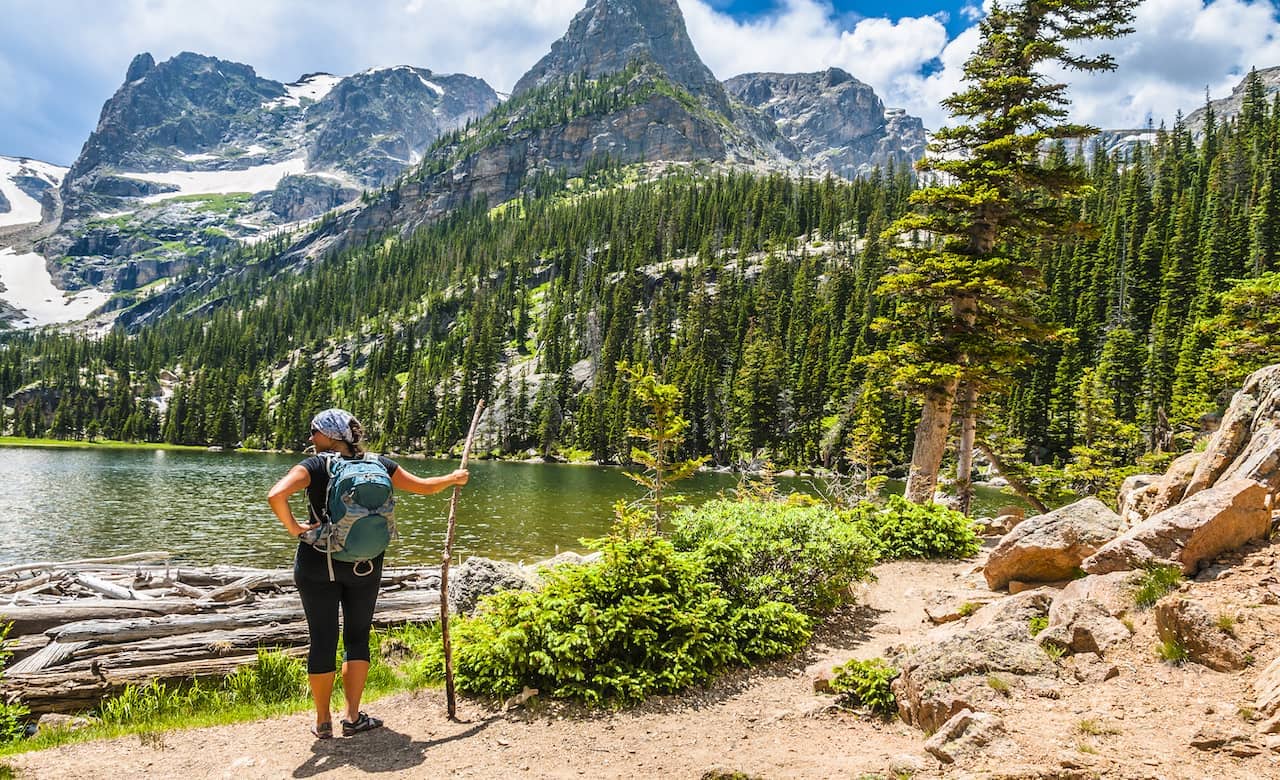
Best Hikes In Rocky Mountain National Park
- get inspired
Hiking in Rocky Mountain National Park offers some of the most diverse and rewarding terrain in the U.S., with over 300 miles of hiking trails that range from flat lakeside walks to high-alpine summit routes. Located near Estes Park on the east side and Grand Lake on the west side, the park gives visitors access to everything from dense forests and aspen groves to exposed tundra above the tree line.
What makes Rocky Mountain National Park hiking trails unique is the elevation. Many trailheads begin well above 8,000 feet, and hikes like the Flattop Mountain Trail or the iconic Longs Peak, climb far beyond that. If you’re coming from near sea level, expect the altitude to impact your pace, breathing, and overall energy—especially on longer routes with significant elevation gain.
The park is also known for its accessibility and scenic density. Within a short drive along Bear Lake Road or Trail Ridge Road, you can reach some of the best hikes in the park, including routes that pass alpine lakes, waterfalls, and expansive open meadows. Popular starting points like the Bear Lake Trailhead, Glacier Gorge, and Wild Basin provide access to well-known popular hikes such as Dream Lake, Emerald Lake, and the challenging Sky Pond hike.
What to Expect When You Hike
-
Elevation matters: Many trails start high and climb higher—pace yourself and monitor how you feel
-
Rapid weather changes: Afternoon storms are common in summer, especially above the tree line
-
Trail variety: Choose from short hikes, moderate lake routes, or strenuous summit climbs
-
Wildlife and ecosystems: From tundra communities to forested valleys, the landscape changes quickly
-
High traffic areas: Locations near Bear Lake and Glacier Gorge fill up early
Quick Hiking Tips for Your Trip
-
Start early to avoid crowds and afternoon thunderstorms
-
Bring layers—mountain weather can shift quickly even in summer
-
Use trekking poles on longer hikes with steep elevation changes
-
Always stay hydrated
-
Plan your route ahead of time
Trail Comparison Table (Find the Right Hike Fast)
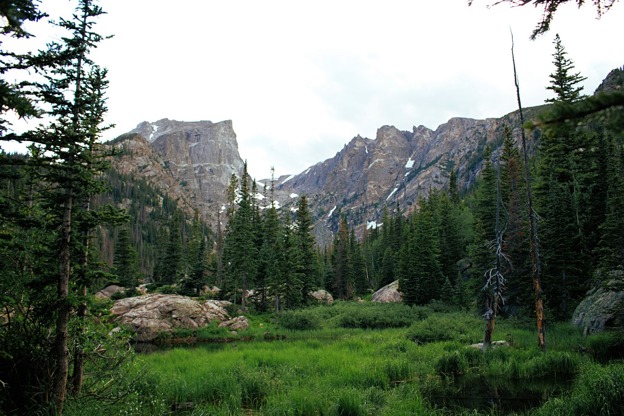
If you’re trying to narrow down the best Rocky Mountain National Park hiking trails for your trip, this table gives you a quick way to compare distance, elevation gain, difficulty, and access points. Whether you’re planning short hikes near Bear Lake or a full-day hike like the Sky Pond hike, this breakdown helps you match the right trail to your time, fitness level, and goals.
|
Trail Name |
Difficulty |
Distance (Round Trip) |
Elevation Gain |
Est. Time |
Best Season |
Trailhead / Access |
|
Bear Lake |
Easy |
0.8 mi |
Minimal |
30–45 min |
Summer–Fall |
Bear Lake Trailhead via Bear Lake Road |
|
Sprague Lake Loop |
Easy |
0.8 mi |
Minimal |
30 min |
Year-round |
Sprague Lake |
|
Lily Lake Loop |
Easy |
0.8 mi |
Minimal |
30–45 min |
Year-round |
Lily Lake (Estes Park) |
|
Alberta Falls |
Easy |
1.6 mi |
200 ft |
1–2 hrs |
Spring–Fall |
Glacier Gorge / Bear Lake Trailhead |
|
Coyote Valley Trail |
Easy |
1.0 mi |
Minimal |
30–45 min |
Year-round |
West side near Grand Lake |
|
Emerald Lake |
Moderate |
3.2 mi |
700 ft |
2–3 hrs |
Summer–Fall |
Bear Lake Trailhead |
|
Dream Lake |
Moderate |
2.2 mi |
450 ft |
2 hrs |
Year-round |
Bear Lake Trailhead |
|
Cub Lake |
Moderate |
6.2 mi |
540 ft |
3–4 hrs |
Summer–Fall |
Deer Ridge Junction |
|
Ouzel Falls |
Moderate |
5.4 mi |
950 ft |
3–4 hrs |
Summer–Fall |
Wild Basin Area |
|
Gem Lake |
Moderate |
3.4 mi |
1,000 ft |
2–3 hrs |
Spring–Fall |
Lumpy Ridge / Estes Park |
|
Lake Haiyaha |
Moderate |
4.0 mi |
865 ft |
2–3 hrs |
Summer–Fall |
Glacier Gorge |
|
Sky Pond |
Hard |
9.4 mi |
1,700 ft |
5–7 hrs |
Summer–Early Fall |
Glacier Gorge |
|
Chasm Lake |
Hard |
8.4 mi |
2,500 ft |
5–7 hrs |
Summer–Fall |
Longs Peak Trailhead |
|
Flattop Mountain |
Hard |
8.8 mi |
2,850 ft |
5–7 hrs |
Summer–Fall |
Bear Lake Trailhead |
|
Odessa Lake |
Hard |
9.2 mi |
1,900 ft |
5–7 hrs |
Summer–Fall |
Fern Lake Trailhead |
|
Deer Mountain |
Hard |
6.0 mi |
1,400 ft |
3–5 hrs |
Year-round |
Deer Ridge Junction |
|
Longs Peak (Keyhole Route) |
Advanced |
14.5 mi |
5,100 ft |
10–15 hrs |
Summer only |
Longs Peak Trailhead |
|
Hallett Peak |
Advanced |
9.6 mi |
3,200 ft |
6–8 hrs |
Summer–Fall |
Bear Lake Trailhead |
|
Andrews Glacier |
Advanced |
10.0 mi |
2,900 ft |
6–8 hrs |
Summer–Fall |
Glacier Gorge |
|
Mount Ida |
Advanced |
9.6 mi |
2,400 ft |
5–7 hrs |
Summer–Fall |
Trail Ridge Road |
Best Easy Hikes in Rocky Mountain National Park
If you’re looking for short hikes with minimal elevation gain, this section highlights some of the most accessible and scenic Rocky Mountain National Park hiking trails. These routes are perfect for families, first-time visitors, or anyone adjusting to the altitude before attempting longer trails. Despite being easier, these hikes still deliver incredible views, beautiful lakes, and even a few waterfalls.
Bear Lake
Located at the popular Bear Lake Trailhead off Bear Lake Road, this is one of the most visited spots in the entire park—and for good reason. The flat loop around Bear Lake offers classic Rocky Mountain scenery with mountain reflections, forest views, and easy access year-round.
-
Distance: 0.8 miles
-
Elevation Gain: Minimal
-
Best For: First-time visitors, sunrise/sunset walks
-
Why It’s Worth It: One of the easiest ways to experience Rocky Mountain National Park without a long hike
This is one of the most popular hikes, so plan to start early to secure parking.
Sprague Lake Loop
Another easy loop with minimal effort, Sprague Lake offers wide-open views, benches along the path, and excellent accessibility. It’s a great option for a relaxed walk with consistent, stunning views of the surrounding mountain landscape.
-
Distance: 0.8 miles
-
Elevation Gain: Minimal
-
Best For: Accessible hiking, photography
-
Why It’s Worth It: Open year-round and less crowded than Bear Lake
Lily Lake Loop
Just outside the main entrance near Estes Park, Lily Lake is one of the best easy hikes for avoiding crowds while still enjoying scenic alpine lakes and peaceful surroundings.
-
Distance: 0.8 miles
-
Elevation Gain: Minimal
-
Best For: Quiet experiences, wildlife spotting
-
Why It’s Worth It: A great alternative to busier areas of the rocky mountain national
Alberta Falls
One of the most accessible waterfalls in the park, Alberta Falls is a short but rewarding hike that delivers a strong payoff for minimal effort. Starting from either the Bear Lake Trailhead or Glacier Gorge, this trail is slightly busier but well worth it.
-
Distance: ~1.6 miles
-
Elevation Gain: ~200 ft
-
Best For: Quick scenic hike, waterfall views
-
Why It’s Worth It: One of the most recognizable falls in Rocky Mountain National Park
Coyote Valley Trail
Located on the quieter west side of the park near Grand Lake, this flat trail follows the Colorado River through open meadows, offering a completely different landscape compared to the east side.
-
Distance: ~1 mile
-
Elevation Gain: Minimal
-
Best For: Wildlife viewing, peaceful scenery
-
Why It’s Worth It: Fewer crowds and a great introduction to the mountain environment
Best Moderate Hikes in Rocky Mountain National Park
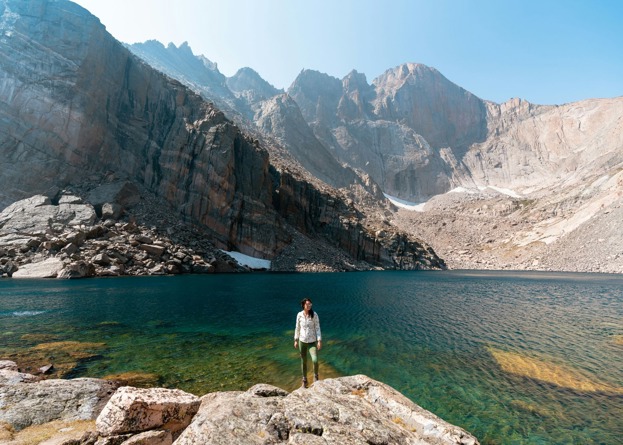
If you’re ready to go beyond short hikes, these moderate routes offer longer distances, more noticeable elevation gain, and access to some of the most iconic alpine lakes in Rocky Mountain National Park. This is where you’ll find many of the park’s best hikes, combining manageable effort with stunning views, waterfalls, and high-alpine scenery.
Emerald Lake
Starting from the busy Bear Lake Trailhead, this is one of the most rewarding moderate hiking trails in the park. Along the way, you’ll pass Nymph Lake and Dream Lake before reaching Emerald Lake, surrounded by dramatic peaks.
-
Distance: 3.2 miles
-
Elevation Gain: ~700 ft
-
Best For: First “longer” hike, lake views
-
Why It’s Worth It: Multiple beautiful lakes in one hike with constant scenery
One of the most popular hikes, so start early to avoid crowds.
Dream Lake
A shorter alternative that still delivers big scenery, Dream Lake is often combined with Emerald but stands strong on its own. The trail offers open views and a direct look at the surrounding peaks.
-
Distance: 2.2 miles
-
Elevation Gain: ~450 ft
-
Best For: Quick moderate hike with high reward
-
Why It’s Worth It: One of the most photographed lakes in Rocky Mountain National Park
Cub Lake
Starting near Deer Ridge Junction, this trail moves through forests and open meadows before reaching Cub Lake. It’s a quieter option compared to trails along Bear Lake Road.
-
Distance: 6.2 miles
-
Elevation Gain: ~540 ft
-
Best For: Avoiding crowds, varied terrain
-
Why It’s Worth It: Great mix of ecosystems and fewer people
Ouzel Falls
Located in the Wild Basin, this trail passes multiple waterfalls, including Copeland Falls, Calypso Cascades, and the impressive Ouzel Falls at the turnaround point.
-
Distance: 5.4 miles
-
Elevation Gain: ~950 ft
-
Best For: Waterfall lovers
-
Why It’s Worth It: Multiple falls in one route and a quieter experience than the main corridors
This is one of the best hikes for combining distance with scenery.
Gem Lake
Located near Estes Park, this trail climbs steadily to a unique rock-formed lake with sweeping views. It’s a shorter hike, but the elevation gain adds some challenge.
-
Distance: 3.4 miles
-
Elevation Gain: ~1,000 ft
-
Best For: Quick elevation challenge
-
Why It’s Worth It: Panoramic views and a unique lake setting
Lake Haiyaha
Recently reopened and increasingly popular, Lake Haiyaha offers a more rugged feel with boulder fields and striking blue water. Accessed from Glacier Gorge, it’s a great alternative to busier lake hikes.
-
Distance: ~4 miles
-
Elevation Gain: ~865 ft
-
Best For: Unique terrain and scenery
-
Why It’s Worth It: One of the most visually distinct alpine lakes in the Rocky Mountain National Park
Best Challenging Hikes in Rocky Mountain National Park
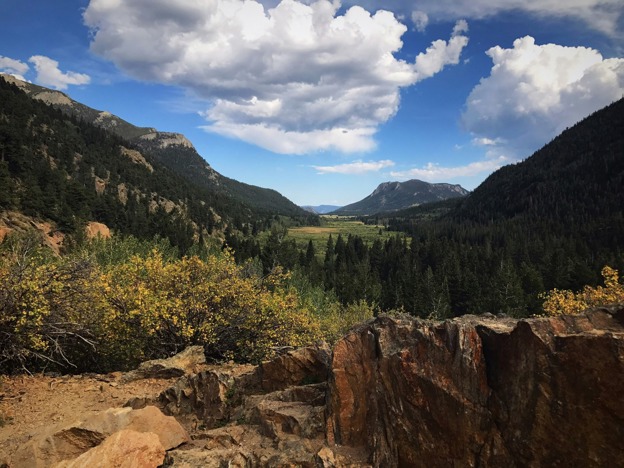
For experienced hikers looking to push farther into the backcountry, these challenging routes offer longer distances, steeper climbs, and significant elevation gain. This is where Rocky Mountain National Park hiking trails really start to feel remote, with fewer crowds and some of the most incredible views in the entire park.
These hikes require preparation, endurance, and awareness of altitude and rapidly changing weather—but the payoff is access to dramatic peaks, secluded alpine lakes, and unforgettable terrain.
Sky Pond
The Sky Pond hike is one of the most iconic and rewarding routes. Starting from Glacier Gorge, this trail takes you past Alberta Falls, through forested terrain, and up a steep section near Timberline Falls before reaching Sky Pond.
-
Distance: 9.4 miles
-
Elevation Gain: ~1,700 ft
-
Best For: Classic high-alpine experience
-
Why It’s Worth It: One of the most scenic alpine lakes in the rocky mountain national
Expect steep sections and some light scrambling near the end.
Chasm Lake
Starting from the Longs Peak Trailhead, this route leads to a dramatic lake sitting beneath the towering east face of Longs Peak.
-
Distance: 8.4 miles
-
Elevation Gain: ~2,500 ft
-
Best For: Dramatic mountain scenery
-
Why It’s Worth It: One of the most powerful viewpoints in the entire mountain national park
Strong winds and exposure are common near the lake.
Flattop Mountain
Accessible via the Flattop Mountain Trail from Bear Lake Trailhead, this hike steadily climbs above the tree line, opening up expansive views across the park.
-
Distance: 8.8 miles
-
Elevation Gain: ~2,850 ft
-
Best For: Panoramic summit views
-
Why It’s Worth It: Sweeping stunning views across tundra and peaks
You’ll pass through tundra communities, so stay on the trail to protect fragile ecosystems.
Odessa Lake
Starting from the Fern Lake Trailhead, this hike offers a quieter alternative to more crowded routes while still delivering scenic payoff.
-
Distance: 9.2 miles
-
Elevation Gain: ~1,900 ft
-
Best For: Fewer crowds, remote feel
-
Why It’s Worth It: A peaceful route to a scenic lake surrounded by forest and peaks
This is a great option if you want a longer hike without the congestion of Bear Lake Road.
Deer Mountain
Starting near Deer Ridge Junction, this hike climbs steadily to a summit with wide-open views across the rocky mountain landscape.
-
Distance: 6 miles
-
Elevation Gain: ~1,400 ft
-
Best For: Shorter but still challenging climb
-
Why It’s Worth It: Great introduction to more difficult hiking trails
Bucket List & Advanced Hikes (For Experienced Hikers)
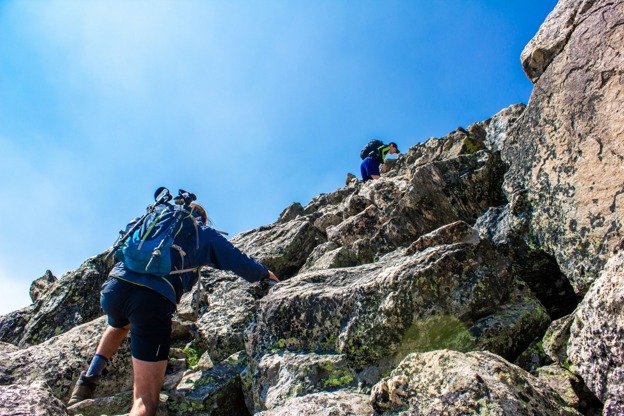
These routes represent the most demanding—and most rewarding—Rocky Mountain National Park hiking trails. Expect long distances, sustained elevation gain, route-finding in places, and exposure above the tree line. If you’re chasing summit days, high-alpine terrain, and truly stunning views, this is where difficult trials deliver.
Longs Peak (Keyhole Route)
The most famous climb in the park, Longs Peak via the Keyhole Route, is a full-day alpine ascent that requires an early start and solid preparation.
-
Distance: 14.5 miles
-
Elevation Gain: ~5,100 ft
-
Best For: Experienced hikers seeking a summit
-
Why It’s Worth It: Iconic climb with unmatched incredible views
Start early (often 2–3 a.m.) to beat afternoon thunderstorms and manage exposure.
Hallett Peak
A rewarding summit above the Bear Lake corridor, Hallett offers expansive views over alpine lakes and surrounding peaks.
-
Distance: ~9.6 miles
-
Elevation Gain: ~3,200 ft
-
Best For: Summit experience without the intensity of Longs Peak
-
Why It’s Worth It: Big views with a more manageable technical demand
Andrews Glacier
Accessed from Glacier Gorge, this route combines lake hiking with a push up to a permanent snowfield.
-
Distance: ~10 miles
-
Elevation Gain: ~2,900 ft
-
Best For: Adventurous hikers
-
Why It’s Worth It: Unique terrain and a chance to reach Andrews Glacier
Early summer conditions can include snow—traction may be needed.
Mount Ida
Starting from Trail Ridge Road, this hike travels along open alpine ridgelines with continuous views.
-
Distance: ~9.6 miles
-
Elevation Gain: ~2,400 ft
-
Best For: High-elevation ridge hiking
-
Why It’s Worth It: Extended time above the tree line with panoramic scenery
Best Hikes by Experience Type
Not every hike in Rocky Mountain National Park is about distance or difficulty—many visitors choose trails based on what they want to see and experience.
Best for Alpine Lakes
If your goal is to see some of the most beautiful lakes in the park, these hikes deliver consistent scenery and classic Rocky Mountain views:
-
Emerald Lake – One of the most iconic destinations, passing Nymph Lake and Dream Lake along the way
-
Dream Lake – Shorter and easier, but still one of the most scenic spots in the Rocky Mountain landscape
-
Lake Haiyaha – Unique terrain with boulders and striking blue water
-
Sky Pond – A more challenging route to one of the most dramatic alpine lakes in the mountain national park
Best for Waterfalls
For those looking to incorporate waterfalls into their hiking trails, these routes provide multiple scenic stops:
-
Alberta Falls – One of the most accessible and well-known falls in the park
-
Ouzel Falls – Located in the quieter Wild Basin Area, with additional stops at Copeland Falls and Calypso Cascades
-
Wild Basin trails – Offer a combination of two waterfalls, forest scenery, and fewer crowds
Best for Panoramic Views
If you're looking for wide-open scenery and elevation-driven perspectives, these hikes deliver some of the most incredible views in the park:
-
Flattop Mountain – Expansive views across the mountain terrain
-
Mount Ida – Continuous ridgeline hiking above the tree line
-
Deer Mountain – Shorter but rewarding with excellent overlook points
Best Short Hikes
Short on time? These short hikes still give you a great feel for the park without committing to a long day:
-
Bear Lake – Classic loop with easy access and iconic scenery
-
Sprague Lake – Relaxed walk with consistent stunning views
-
Lily Lake – A quieter option near Estes Park
When to Hike Rocky Mountain National Park (Seasonal Guide)
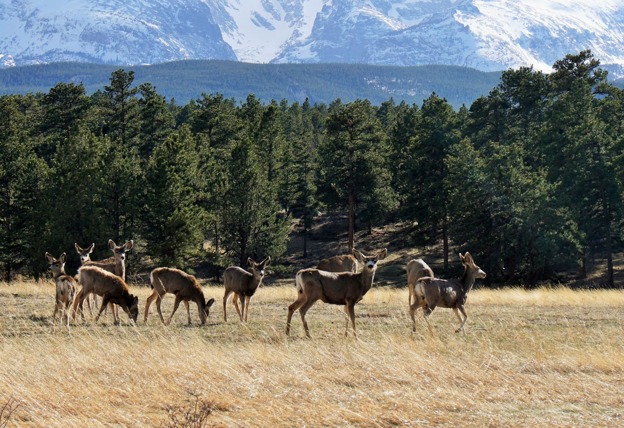
Choosing when to explore Rocky Mountain National Park hiking trails can make or break your trip. Conditions change dramatically throughout the year, impacting trail access, weather, crowds, and overall safety. Whether you're planning a summer hike to alpine lakes or a quieter fall walk through aspen groves, understanding seasonal differences will help you choose the right time to visit.
Summer Hiking (Peak Season)
Summer is the most popular time to hike in Rocky Mountain National Park, offering the best access to high-elevation trails and destinations like Sky Pond, Emerald Lake, and Flattop Mountain.
What to expect:
-
Full access to most hiking trails, including routes above the tree line
-
Warmer temperatures, but still cool at higher elevations
-
Frequent afternoon thunderstorms, especially in July and August
-
Heavy traffic near Bear Lake Road and major trailhead areas
Tips:
-
Start early (before 7 a.m.) to avoid crowds and storms
-
Bring layers—mountain weather shifts quickly
-
Plan parking in advance, especially at Bear Lake Trailhead
Fall Hiking (Foliage + Fewer Crowds)
Fall is one of the best times to experience Rocky Mountain National Park, with golden aspen groves, crisp air, and fewer visitors.
What to expect:
-
Peak foliage typically mid-September through early October
-
Cooler temperatures, ideal for longer hikes
-
Reduced crowds compared to summer
-
Some higher elevation trails may begin to see snow
Best for:
-
Scenic routes through forests and open meadows
-
Moderate hiking trails like Cub Lake and Gem Lake
Spring Conditions (Snow + Mud)
Spring in the park is unpredictable, with lingering snow at higher elevations and muddy conditions at lower levels.
What to expect:
-
Mixed trail conditions (snow, ice, mud)
-
Limited access to some higher elevation routes
-
Flowing waterfalls due to snowmelt
Tips:
-
Bring waterproof footwear and traction if needed
-
Stick to lower elevation trails
-
Be flexible with your plans
Winter Hiking (Limited Access)
Winter transforms Rocky Mountain National Park into a quiet, snow-covered landscape. While many trails remain open year-round, access is more limited.
What to expect:
-
Snow-covered terrain and colder temperatures
-
Reduced vehicle access, especially along Trail Ridge Road
-
Fewer crowds and peaceful conditions
Best for:
-
Snowshoeing and winter hiking trails near Bear Lake
-
Scenic walks with minimal elevation gain
Seasonal Planning Tips
No matter when you plan your trip, preparation is key when hiking in a high-elevation national park like this.
Keep in mind:
-
Altitude impacts every season—take time to acclimate
-
Always check current weather and trail conditions
-
Stay hydrated and bring more water than you think you need
-
Trail access and conditions can vary significantly between the east side and west side of the park
Getting to Trailheads + Best Park Entrances
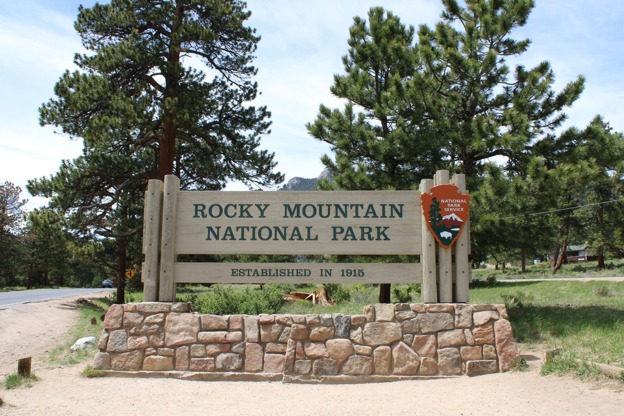
Access is one of the biggest factors in planning your hike in Rocky Mountain National Park. Many of the most popular Rocky Mountain National Park hiking trails are clustered in specific areas, and knowing which entrance to use—and how to reach each trailhead—can save you time and frustration.
East Side Access (Estes Park + Bear Lake Corridor)
Most visitors enter the park from the east via Estes Park. This side provides the most direct access to high-demand trails along Bear Lake Road.
Best for:
-
Bear Lake Trailhead access
-
Glacier Gorge trail system
-
Popular hikes like Dream Lake, Emerald Lake, Lake Haiyaha, and Sky Pond
What to expect:
-
The highest concentration of popular hikes
-
Limited parking—lots fill early, especially in summer
-
Timed entry reservations may be required
West Side Access (Grand Lake)
The west side of Rocky Mountain National Park near Grand Lake offers a quieter alternative with fewer crowds and easier parking.
Best for:
-
Scenic walks and moderate hiking trails
-
Access to areas like the Colorado River corridor
-
A more relaxed experience overall
What to expect:
-
Less congestion compared to the east side
-
Easier access to short hikes and open meadows
-
Great option for first-day exploration
Wild Basin Area (Southeast Corner)
The Wild Basin is one of the best-kept secrets in the park, offering access to quieter, scenic trails with waterfalls and forested terrain.
Best for:
-
Ouzel Falls, Copeland Falls, and Calypso Cascades
-
Moderate routes with fewer people
-
A more secluded hiking experience
What to expect:
-
Smaller parking areas—still fill early
-
Fewer crowds than Bear Lake Road
-
Great mix of waterfalls and forest scenery
Trail Ridge Road Access (High Elevation Entry)
Trail Ridge Road is the highest continuous paved road in the U.S. and provides access to high-alpine trailhead locations.
Best for:
-
High-elevation hikes like Mount Ida
-
Exploring areas above the tree line
-
Scenic drives combined with shorter hikes
What to expect:
-
Open seasonally (typically late spring through fall)
-
Wind exposure and rapidly changing weather
-
Immediate access to tundra communities
Parking & Access Tips
Getting to the right trailhead is often the most challenging part of your hike in Rocky Mountain National Park.
Plan ahead with these tips:
-
Start early—many lots fill before 7 a.m.
-
Use park shuttles when available during peak summer months
-
Have a backup trail in case your first choice is full
-
Check reservation requirements before your visit
Plan Your Rocky Mountain Hiking Trip with Cruise America
Exploring Rocky Mountain National Park is easier when you have the flexibility to move between trailheads, avoid crowded areas, and stay close to where you want to hike. With an RV from Cruise America, you can base your trip near top areas like Estes Park, Grand Lake, or along Trail Ridge Road—making it simple to access multiple trails without backtracking or rushing.
Whether you're planning a weekend getaway or a longer adventure through Colorado, Cruise America gives you the freedom to experience more hikes at your own pace. Rent your RV today!